
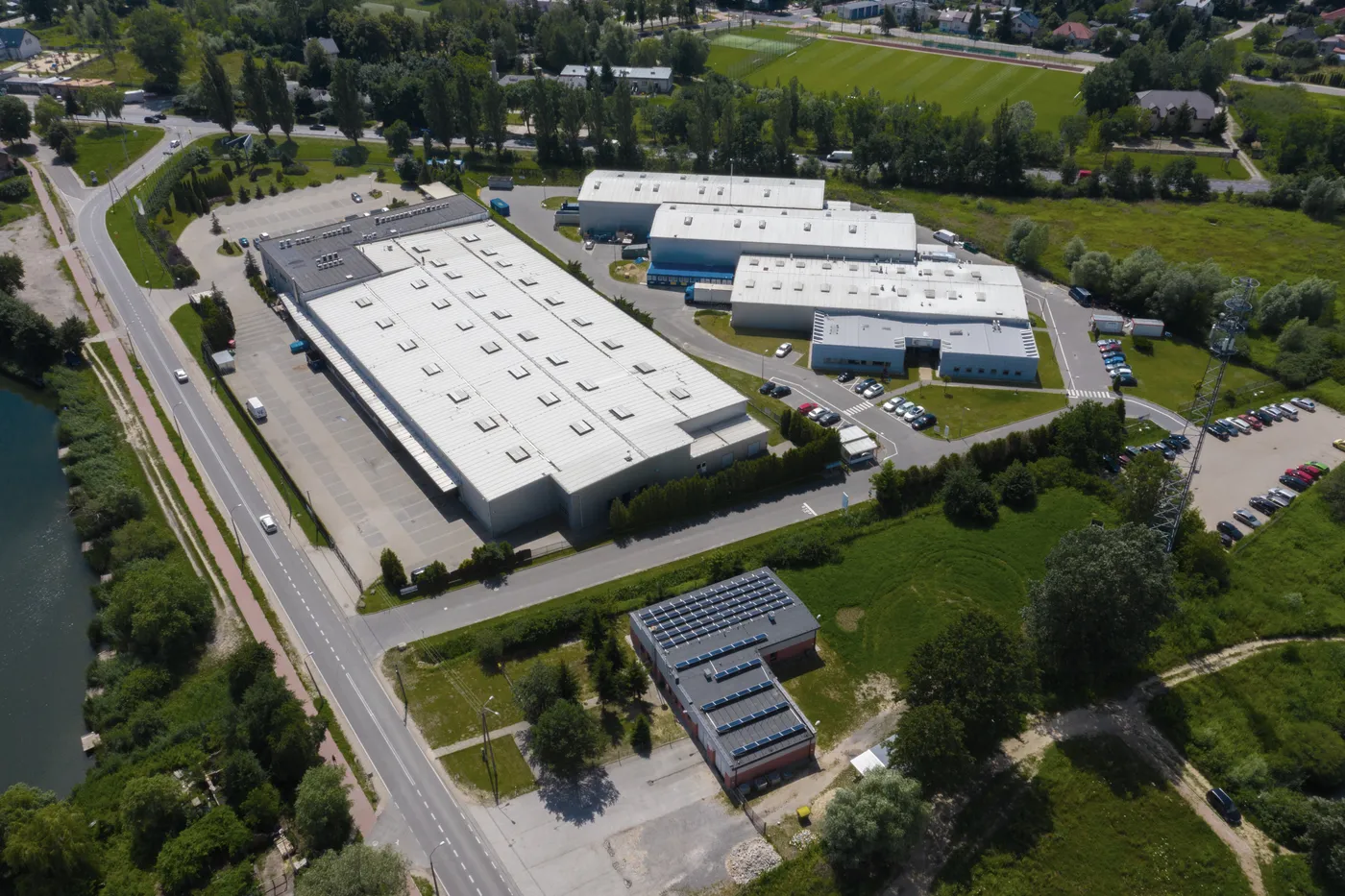
The industrial and logistics sector has established itself as one of the key pillars of the Spanish economy. Industrial companies, logistics operators and investors are actively seeking industrial and logistics warehouses that meet their operational, strategic and growth requirements. Understanding what an industrial warehouse is, what a logistics warehouse is and the main differences between them is essential for making informed decisions in an increasingly competitive and specialised market.
What Is an Industrial Warehouse?
An industrial warehouse is a real estate asset primarily used for activities related to the production, transformation, assembly, handling or storage of goods. Industrial warehouses are typically located within industrial parks and are designed to accommodate specific manufacturing processes, heavy machinery and complex internal workflows. In Spain, demand for industrial warehouses is closely linked to the growth of the manufacturing sector, the food industry and raw material processing activities.
From a construction perspective, industrial warehouses can vary significantly depending on their intended use. Features may include different clear heights, floor load capacities, integrated office space and compliance with specific technical regulations. Their flexibility makes them an ideal solution for companies that require customised industrial facilities.
What Is a Logistics Warehouse?
A logistics warehouse is a type of industrial asset specifically designed for the receipt, storage, order preparation and distribution of goods. Unlike industrial warehouses, logistics warehouses prioritise operational efficiency, fast product movement and connectivity to major transport infrastructure. In today's e-commerce and advanced supply chain environment, logistics warehouses have become strategic assets.
Logistics warehouses generally feature greater clear heights, multiple loading docks, large manoeuvring areas and layouts designed to optimise logistics operations. These facilities are commonly found in logistics parks, distribution centres and last-mile delivery hubs located close to major urban areas.
Differences Between Industrial and Logistics Warehouses
Although both asset types belong to the industrial and logistics real estate sector, there are clear differences between industrial and logistics warehouses. Industrial warehouses support manufacturing and production activities, while logistics warehouses focus on the storage and distribution of goods. These distinctions directly influence their location, design, technical specifications and market value.
While industrial warehouses can be located in more peripheral industrial areas, logistics warehouses are typically positioned close to major transport routes, ports and metropolitan areas. This distinction is particularly important for occupiers and investors alike.
Types of Industrial and Logistics Warehouses
The industrial and logistics sector includes a variety of asset types, such as manufacturing facilities, industrial storage warehouses, regional logistics platforms, last-mile distribution centres and cross-docking facilities. Each type is designed to meet specific operational requirements and plays a distinct role within the supply chain.
Key Factors When Choosing an Industrial or Logistics Warehouse
Selecting the right industrial or logistics warehouse should be based on several key considerations, including location, accessibility, available floor space, clear height, number of loading docks, planning regulations and future adaptability. Professional advice is essential when identifying the most suitable asset for business needs.
CBRE and the Industrial & Logistics Sector
CBRE is a leading advisor in the industrial and logistics real estate sector in Spain. We support companies, operators and investors in the acquisition, leasing, disposal and management of industrial and logistics warehouses, providing market expertise, strategic insight and tailored solutions.